Angel or Devil: A Designer's Review for Personalized Gifts
As an experienced embroidery designer who spends countless hours testing digital files before they ever touch a customer's fabric, I recently put the Angel or Devil machine embroidery design through its paces. My goal was simple: determine if this piece truly holds the emotional weight and technical precision required for high-end personalized gifts. After running several test stitches on various fabrics, from soft cotton to heavy denim, I have gathered my thoughts on how this design fits into the world of handmade products, Etsy listings, and custom order previews.
The First Impression: Mood and Emotional Appeal
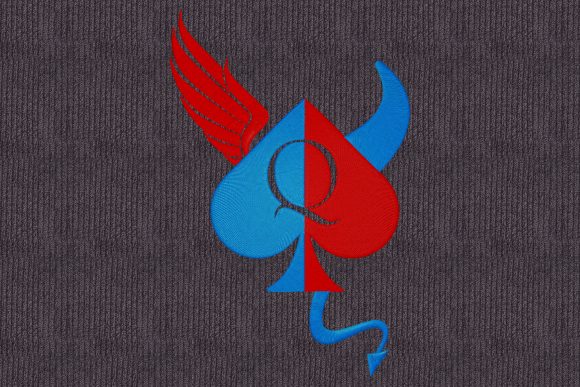
When you first open the embroidery file for Angel or Devil, the immediate feeling is one of playful duality. It strikes a balance between sweet and slightly edgy, making it a versatile choice for modern gift shops. Unlike traditional religious imagery that can feel stiff or overly formal, this design feels contemporary and approachable. The mood is warm yet intriguing, perfect for customers looking for something that sparks conversation rather than just filling space.
The detail level is impressive for a design intended for varied applications like t-shirts, sweatshirts, and pillows. It manages to capture the essence of both sides of the coin without becoming cluttered. For a small business owner or a crafter, this is crucial because it means the finished product will look polished even when stitched quickly. Whether you are creating baby embroidery items or wedding keepsakes, the charm of Angel or Devil suggests a handmade quality that buyers value highly. It feels less like a mass-produced sticker and more like a thoughtful, artisanal addition to a garment or home decor item.
Versatility in Gifting Scenarios
The true strength of this design lies in its adaptability across different product categories. Imagine a new mother receiving a personalized gift in the form of a nursery blanket. The contrast of the Angel or Devil motif against a soft pastel background creates a whimsical, protective vibe that speaks to parents who want their children to grow up with a sense of wonder. It works beautifully as baby embroidery because it adds a layer of personality that goes beyond standard monograms.
For the wedding market, this design offers a unique angle for favors or bridal party gifts. Picture a set of embroidered towels for the newlyweds' kitchen or a tote bag for the maid of honor. The theme allows for a touch of humor and depth, suggesting that marriage involves navigating life's choices together. As a wedding gift, it elevates the perceived value of the item, turning a simple towel into a memorable keepsake. Similarly, for craft fair products, displaying Angel or Devil on aprons or pillow covers can attract a diverse crowd, from those seeking religious symbolism to those who simply appreciate the artistic interpretation of good versus evil.
Digital product sellers and Etsy sellers will find this particularly useful for creating mockups. You can easily visualize how the design looks on dark denim versus light linen, allowing you to offer better custom embroidery options to your clients. The design serves as a strong visual anchor in product photography, drawing the eye immediately to the craftsmanship involved.
Strategic Considerations and Fabric Choices
While the design is robust, there are specific scenarios where caution is advised. When planning your production run, consider the texture of the fabric carefully. On thick towels or heavily textured fabrics, the fine details of the design might get lost in the weave. If you are aiming for a crisp finish, stick to smoother materials like percale, sateen, or tightly woven canvas.
Stretchy baby clothes require extra attention. While the design is suitable for these items, the tension of the fabric during wear can distort the stitches if not stabilized correctly. Additionally, be mindful of curved surfaces. Embroidering a flat design onto a rounded object like a hat or a fitted pillow case requires precise digitizing adjustments that may need to be verified in your software before stitching. Dark fabrics also present a challenge; while the design likely includes outlines, the thread colors must be chosen specifically to ensure high contrast so the Angel or Devil elements remain visible and distinct.
Products that need frequent washing, such as kitchen linens or daily wear t-shirts, should be tested for durability. The stitch density of Angel or Devil appears solid, but repeated agitation can cause loose threads if the stabilizer used was insufficient. Always prioritize the longevity of the finished product over speed to maintain your reputation as a trusted seller.
Impact on Brand Trust and Customer Engagement
In the world of online sales, the quality of the embroidery directly influences customer trust. A well-executed Angel or Devil design signals that you care about the details. When a buyer receives a handmade product where every stitch aligns perfectly with the intended vision, they are more likely to leave positive reviews and return for future purchases. The emotional connection formed by a meaningful design like this fosters loyalty.
Furthermore, the design enhances the perceived value of your shop. Customers are often willing to pay a premium for items that tell a story. By offering Angel or Devil on premium items like pillow covers or custom totes, you position your brand as a curator of meaningful art. This strategy works exceptionally well for small shop product lines where personalization is key. It transforms a standard commodity into a unique piece of art that resonates with the recipient's personal beliefs or aesthetic preferences.
Practical Notes for the Stitching Process
Before you commit to a large batch of orders, follow these essential steps to ensure success. First, always test on scrap fabric that matches your final material. This helps you gauge how the thread colors interact with the specific dye lot of your cloth. Check the stitch density closely; if the design looks too crowded on your test run, you may need to adjust the spacing or choose a lighter thread weight.
Confirming the hoop size is another critical step. Ensure your hoop accommodates the full dimensions of the design without cutting off any edges, especially if you plan to add text or other elements around it. Use proper stabilizer based on the fabric type—cut-away stabilizers are generally best for stretchy knits, while tear-away works well for wovens. Compare light and dark fabric mockups side-by-side to see which combination offers the best visual impact for your target audience.
Finally, review small details after stitching. Zoom in on the areas where the "angel" and "devil" elements meet to ensure no threads are tangled or skipped. Also, do not forget to confirm commercial licensing terms before selling finished products made with this digital embroidery file. Understanding the legal boundaries protects your business and ensures you are using the embroidery design ethically.
By taking the time to understand the nuances of Angel or Devil, you can create exceptional items that resonate deeply with your customers. Whether you are crafting a blanket embroidery project for a newborn or designing a line of embroidered towels for a boutique, this design offers a blend of style and sentiment that is sure to succeed in the competitive marketplace.