Christmas Tree with House Redwork Design Review
As an experienced embroidery designer who has spent countless weekends setting up booths at local craft fairs and managing a busy online handmade shop, I know that the difference between a design that sits in a digital folder and one that actually sells often comes down to one thing: marketability. Today, I am reviewing the Christmas Tree with House Redwork Design. This piece caught my eye immediately because it hits that sweet spot of rustic charm and festive nostalgia that buyers are currently craving for their holiday decor and gifts.
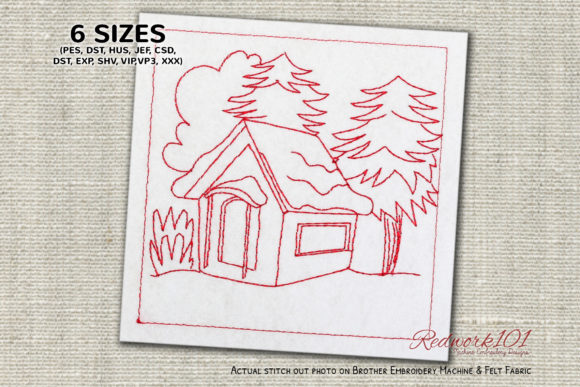
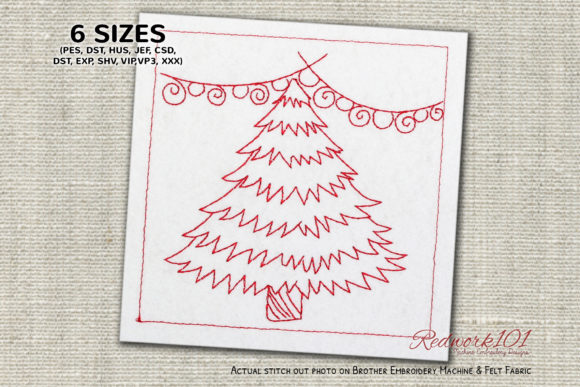
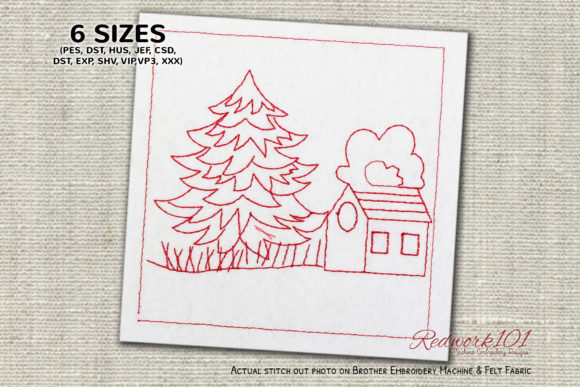
The concept is simple yet effective. It features a Christmas tree paired with a cozy house, executed in a classic redwork style. The description notes that the box stitch shown in the picture is optional, which is a brilliant feature for versatility. In the world of machine embroidery design, having the ability to skip elements like the outer box allows you to adapt the look to different fabrics without losing the core aesthetic. Whether you want a clean, minimal outline or a framed composition, this embroidery file gives you the control you need to create unique products.
First Impressions and Visual Appeal
When I first looked at the Christmas Tree with House Redwork Design, my immediate thought was "farmhouse chic." The redwork style inherently feels soft, nostalgic, and inviting. It does not scream for attention with neon colors or complex shading; instead, it whispers quality and tradition. This makes it incredibly versatile for various product categories. It feels equally at home on a linen tea towel as it does on a denim tote bag.
For a craft fair display, this design stands out because it offers a sense of warmth. In a sea of loud, chaotic holiday patterns, a clean redwork design creates a moment of calm. It photographs exceptionally well for Etsy listings and social media marketing because the simplicity allows the texture of the fabric to shine through. When customers see a finished product, they perceive high value because the design looks intentional and refined rather than mass-produced.
Product Potential for Craft Fair Sellers
If I were preparing a booth for a weekend market, where would I place the Christmas Tree with House Redwork Design? Based on my experience with handmade product sales, here is where this design would likely perform best:
- Tote Bags and Market Bags: A single, centered tree and house motif works perfectly as a focal point on canvas or cotton tote bags. It appeals to shoppers looking for reusable holiday shopping bags that double as decorative items.
- Kitchen Towels and Aprons: This is a powerhouse category. The redwork style mimics traditional kitchen prints, making it ideal for tea towel embroidery and apron designs. Customers love seeing these items displayed folded on a table, and the design adds a touch of seasonal cheer to any kitchen.
- Embellished Patches and Caps: Because the design is relatively contained, it translates well to smaller formats. An embroidered patch featuring the tree and house could be sold as a standalone item or added to beanies and caps. The optional box stitch allows you to frame the patch neatly if desired.
- Pillow Covers and Small Pouches: For boutique makers, this design is perfect for creating small, giftable items. A pillow cover with this motif can be priced higher due to its decorative nature, while small pouches make excellent stocking stuffers or gift card holders.
The design's ability to serve as both a small accent and a large focal design is a major selling point. You can scale it up for a large banner or down for a keychain, maximizing the utility of your digital embroidery file.
Production Practicality and Quality Control
Before turning this into a commercial inventory, I always advise testing the design on scrap fabric. The stitch density is crucial here. While redwork is generally lightweight, the combination of the tree and house requires careful planning to ensure the lines remain crisp. If the stitches are too dense, the fabric might pucker, especially on thinner materials like muslin or light-weight cotton.
One specific area to watch is the hoop size. Since the design includes two distinct elements (the tree and the house), ensure your hoop accommodates the width without forcing you to re-hoop in a way that misaligns the image. Always confirm the recommended dimensions before starting a batch production run.
Thread contrast is another critical factor. Redwork typically relies on thread color against a lighter background, but you can get creative. Using a deep burgundy thread on a cream towel creates a rich, vintage look, while white-on-white offers a subtle, elegant texture. However, be cautious when using dark fabric. Without a stabilizer layer underneath, the design may lose clarity or show through unevenly.
Navigating Challenges and Careful Use Notes
While this design is robust, there are limitations to consider for a professional seller. Tiny details in redwork can sometimes get lost if the design is digitized too tightly. If you plan to produce small items like patches or cap fronts, inspect the lettering or fine lines closely. If the design contains any text, ensure it is legible at the intended size.
Textured fabrics, such as heavy terry cloth towels or nubby wools, can obscure the definition of the lines. On these materials, the stabilizer choice becomes even more important. You may need a cut-away stabilizer to support the weight of the embroidery and prevent the fabric from distorting during the stitching process. Additionally, curved surfaces like baseball caps require careful tension adjustments. Test a sample on the actual cap material to ensure the design lays flat and does not pull away from the curve.
Another practical consideration is the optional box stitch. The product description mentions that the color of the outer box is different in most designs unless it is part of the design itself. This flexibility is a huge advantage. If you are producing a set of matching kitchen towels, you might choose to omit the box on some and include it on others to create visual variety within the same collection. Just remember to verify the specific instructions for your file to avoid confusion during production.
Marketing and Brand Consistency
For Etsy sellers and small shop owners, consistency is key to building a brand. The Christmas Tree with House Redwork Design fits seamlessly into a cohesive holiday collection. You can use it across multiple product types—totes, towels, and pillows—to create a unified look that encourages customers to buy multiple items.
When creating printable mockups for your online store, focus on lifestyle photography. Show the towel hanging in a sunlit kitchen or the tote bag filled with holiday treats. These images help customers visualize the product in their own homes, increasing the likelihood of a sale. The design's rustic feel pairs beautifully with natural wood backgrounds and dried flowers in photos.
Finally, never forget the legal aspect. Before selling finished products, confirm the commercial licensing terms associated with the design assets. Ensure you have the right to sell the physical goods created with this embroidery design. Once you have cleared those bases, you can confidently move forward with production.
In conclusion, the Christmas Tree with House Redwork Design is a strong candidate for any craft fair or handmade market booth. Its versatility, nostalgic appeal, and ease of production make it a valuable addition to your catalog. By paying attention to fabric choices, stabilizers, and presentation, you can transform this digital pattern into a best-selling physical product that brings joy to your customers this holiday season.