Flamingo with Flowers Applique Review
As a professional embroidery designer, I spend my days evaluating thousands of digital assets to find the perfect pieces for client collections. Recently, I encountered a design titled Flamingo with Flowers Applique, and it immediately caught my eye for a specific project: a limited drop of premium sweatshirts for a boutique brand targeting young women and children. The product description highlights that this machine embroidery design is playful, colorful, and perfect for stitching onto various items, including children's clothes and room decor. However, moving from a concept to a finished commercial garment requires more than just a cute idea; it demands a rigorous evaluation of how the design translates to fabric.
First Impressions and Design Personality
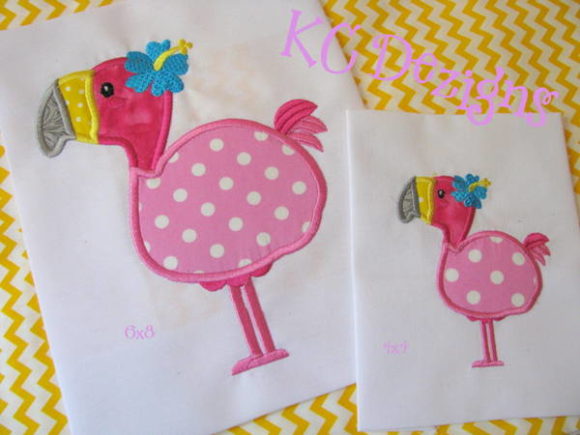
The moment I opened the embroidery file in my digitizing software, the mood of the piece was clear. It exudes a cheerful, summery vibe that feels both modern and nostalgic. The title suggests an appliqué technique, which implies layers of fabric fused to the base, adding a tactile dimension that standard satin stitches often lack. This is crucial for sweatshirt embroidery, where texture can elevate a simple hoodie into a high-end fashion statement.
The layout appears balanced, featuring a central flamingo motif surrounded by floral elements. In terms of personality, the design strikes a chord between playful and feminine. It avoids being overly childish, making it versatile enough for adult apparel while retaining the whimsy needed for a kids' collection. For a boutique brand, this duality is gold. It allows the same design to be marketed as a "cozy seasonal" item for adults or a fun accent for a child's bedroom set. The visual weight of the design feels substantial enough to stand out on thick cotton fleece without looking lost or flimsy.
Strategic Application on Sweatshirts and Hoodies
When planning the production for our upcoming drop, I visualized Flamingo with Flowers Applique on different garments. The first scenario that came to mind was a neutral-colored oversized hoodie in oatmeal or heather grey. On these light, earthy tones, the bright colors described in the product listing would pop dramatically. The contrast would create a bold focal point on the chest, turning a basic staple into a statement piece.
Conversely, I considered placing the design on dark navy or charcoal sweatshirts. While the description promises color, the success here depends heavily on thread selection. If the flamingo features white or pastel threads, they might get lost against a black background unless the stitch density is increased. However, if the design includes vibrant pinks and oranges, it would create a striking, high-contrast look that appeals to streetwear enthusiasts. This versatility makes it an excellent asset for an Etsy seller offering custom options.
I also explored the potential for placement variations beyond the standard left chest. Because the design has a natural flow, it could work beautifully as a back graphic on oversized hoodies, perhaps centered at the shoulder blades. Alternatively, scaling it down could make it a charming sleeve accent or a cuff detail. For a boutique brand, offering these customization options increases the perceived value of the product and encourages customer engagement through personalization.
Technical Considerations for Commercial Production
Transitioning from a digital preview to a physical finished product involves several critical technical checks. One of the primary concerns with any machine embroidery design intended for apparel is stitch density. Sweatshirt fabric is thick and stretchy; if the design is too dense, it will warp the material, causing puckering around the edges. Conversely, if it is too sparse, the underlying fabric will show through, ruining the clean look required for a commercial embroidery project.
The mention of "applique" in the title suggests a multi-step process involving cut-away stabilizers to support the heavy fabric layers. For a small shop product, ensuring the correct stabilizer choice is vital. A tear-away might not provide enough rigidity for a large appliqué piece on a sweatshirt, leading to distortion during washing. I would recommend testing a sample on a scrap of the actual fleece before running a full batch.
Fabric texture also plays a role. The raised nature of appliqué complements the soft, looped pile of terry cloth or French terry. However, care must be taken with hoop size. If the design area is larger than the standard 4x4 hoop, we may need to use a frame system or multiple hooping steps, which can affect alignment. For a custom apparel project, consistency is key to maintaining brand identity. Every sweatshirt must look identical, requiring precise registration of the flamingo and flower elements.
Thread Colors and Visual Impact
The description notes the design is "colorful," but the specific thread palette determines whether the result looks premium or cheap. To achieve a high-end feel, I would select high-quality polyester threads with a slight sheen rather than matte cotton, which can dull the vibrancy on synthetic blends. The contrast between the pink flamingo and the green or yellow flowers needs to be sharp to ensure readability even when the garment is worn and moved.
For lifestyle product photography, the color choices will dictate the backdrop and styling. A bright, saturated version of Flamingo with Flowers Applique pairs well with beach-themed props or garden settings, reinforcing the summer aesthetic. If the goal is a more rustic or cozy look, using muted thread colors for the flowers could soften the image, making it suitable for fall wear. This adaptability is a hallmark of a strong design asset.
Building Brand Trust Through Quality
In the world of handmade businesses and digital sellers, the quality of the embroidery speaks volumes about the brand. A poorly executed design can lead to returns and negative reviews, damaging the reputation of a small shop product. However, a well-executed Flamingo with Flowers Applique can become a signature element of a collection.
When customers see a crisp, durable appliqué on a sweatshirt, they perceive higher value. They trust that the item will withstand washes and maintain its shape. This durability is essential for brand identity; it signals that the maker cares about details. Furthermore, a unique design like this helps with visual recognition. When a customer sees the flamingo motif again, they immediately associate it with your boutique, fostering loyalty and repeat purchases.
For those looking to sell digital embroidery files themselves, understanding the limitations and strengths of such designs is equally important. If you are packaging this design for sale, providing clear mockup previews that show the texture and depth of the appliqué will help buyers visualize the final result. It bridges the gap between a flat screen and a tangible handmade product.
Final Thoughts for Creative Entrepreneurs
Before committing to a full production run, I always advise checking the specific technical details provided with the file. Does the package include the necessary embroidery file formats for your machine? Are there instructions for the appliqué steps? What is the recommended hoop size? These details are often buried in the product information and are critical for avoiding production headaches.
Overall, Flamingo with Flowers Applique presents a compelling opportunity for small clothing brands and creative entrepreneurs. Its playful yet sophisticated aesthetic fits perfectly within the current market trends for cozy, personalized apparel. By paying close attention to thread selection, stabilizer support, and placement strategy, you can transform this digital design into a flagship product that drives sales and builds a loyal community. Whether used for a limited drop or a permanent line, the potential for this design to elevate a simple sweatshirt into a cherished wardrobe staple is undeniable.