Linework Patterned Easter Egg Review
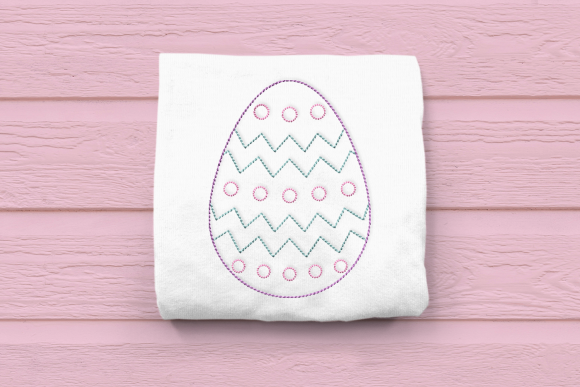
As an experienced embroidery designer who spends countless weekends prepping booths for craft fairs and managing handmade market listings, I know that the difference between a design that sits in a drawer and one that sells out is often in the details. Today, I am reviewing a specific digital asset: Linework Patterned Easter Egg. This design caught my eye immediately because of its description as an adorable linework piece featuring chevron and polka dot patterns. For those of us running small shops or selling on Etsy, the question is not just if it looks pretty, but if it translates well into a high-value finished product.
First Impressions: Style and Market Fit
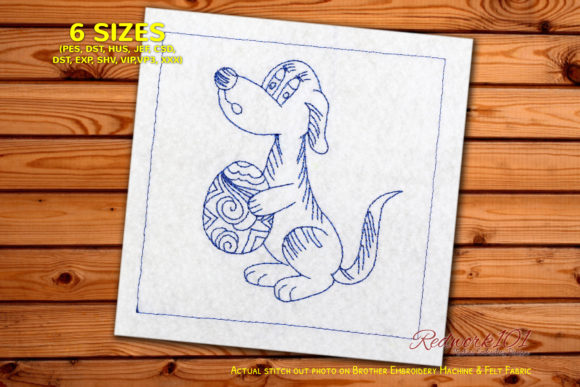
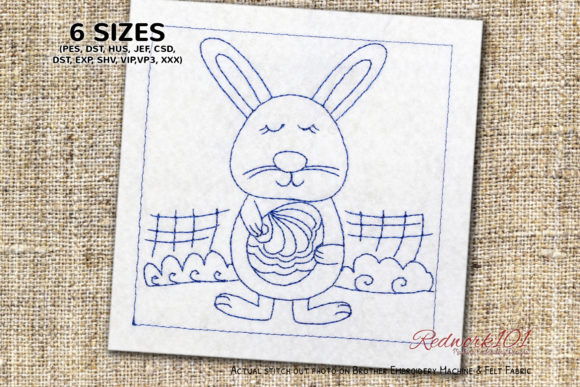
The moment you look at the title and description, the vibe is clear. The use of "linework" combined with "chevron and polka dot" suggests a style that is modern, graphic, and slightly playful without being overly traditional. In the world of handmade goods, there is always a demand for items that feel fresh yet festive. This design does not scream "loud holiday," which is perfect for the spring season where customers want something subtle enough to wear year-round but distinct enough to celebrate the occasion.
From a visual standpoint, this design feels clean and crisp. The separation of steps by color changes is a crucial detail mentioned in the description. It implies that the final result will have definition and depth, avoiding the muddy look that sometimes plagues simple monochrome stitches. For a boutique maker looking to create a cohesive collection, this design offers a premium aesthetic that elevates basic cotton fabrics into statement pieces.
Product Potential: Where It Shines
When preparing a table display for a weekend craft fair, I evaluate every design based on versatility. Linework Patterned Easter Egg has immense potential across various categories of craft fair products. Its linework nature makes it particularly effective on structured items like tote bags and aprons, where the pattern can serve as a focal point without overwhelming the garment.
- Tote Bag Design: On a canvas tote, the chevron and polka dots create a dynamic texture that catches the light. It works beautifully as a centered motif or repeated along the side seam.
- Apron Embroidery: Kitchen aprons are a staple at markets. This design adds a touch of whimsy to a functional item, making it an ideal gift for home cooks during the spring season.
- Tea Towel Embroidery: The contrast of the pattern against white or cream linen towels is striking. It photographs exceptionally well for online listings, which is vital for any Etsy seller trying to compete in a crowded marketplace.
- Embroidered Patch: With its defined lines, this design would make a fantastic iron-on patch. Customers love adding character to denim jackets or backpacks, and a small version of this egg could be a bestseller.
- Small Pouches and Pillow Covers: For smaller inventory items, this design adds perceived value. A simple fabric pouch becomes a luxury item when adorned with a detailed, multi-step embroidery file.
The availability of six different sizes is a significant advantage. It allows a single design to function as a tiny accent on a cap brim or a large decorative element on a pillow cover. This scalability means you can offer a range of price points to your customers while maintaining brand consistency.
Production Practicality and Batch Making
For the commercial embroidery business owner, efficiency is key. The fact that the steps are separated by color changes is a double-edged sword that requires careful planning. While it ensures high quality, it also increases production time compared to a single-color fill. However, for a handmade product line, the extra time often translates to a higher perceived value. Customers are willing to pay more for items that clearly required multiple setup steps and precise execution.
Photographing this design for printable mockups or digital marketing should be straightforward. The geometric nature of the chevrons and dots provides excellent contrast, ensuring the image pops even on a phone screen. When creating a booth display, having samples in different sizes allows you to show how the design adapts to various surfaces, from the curve of a cap to the flat plane of a tea towel.
Critical Considerations for Production
Before committing to a bulk run of these craft fair products, a professional designer must consider the technical limitations. The description advises not to color sort or combine colors, which suggests the design relies on specific thread transitions to achieve its look. Ignoring this instruction could ruin the intended effect.
There are several areas where attention to detail is required. First, check the stitch density. Linework designs can sometimes suffer from puckering if the stabilizer is not robust enough, especially on lightweight fabrics. You must ensure you are using the right stabilizer for each fabric texture. If you are embroidering on a thick fabric or a textured towel, the design might lose clarity if the needle cannot penetrate deep enough to lay down the stitches properly.
Another factor is the hoop size. Since the design comes in six sizes, you need to verify that the smallest size remains legible. Tiny details often get lost when scaled down too far, turning a cute pattern into a blurry blob. Test the design on scrap fabric first to see how the lines hold up. Also, be mindful of dark fabrics; linework designs often rely on contrast, so a black egg on a navy shirt might disappear unless you use a specific underlay technique or a contrasting thread color.
Ensuring Quality and Commercial Success
To maximize the return on investment for this embroidery file, I recommend creating at least one real mockup before listing the product. Digital files are great, but nothing sells a handmade item better than seeing the actual texture and dimension of the stitches. Compare the thread colors against your most popular fabric choices to ensure they complement rather than clash.
Furthermore, confirm your commercial licensing terms. As a digital embroidery file, the license dictates whether you can sell the finished physical goods. Understanding these boundaries protects your business and ensures you are operating within the legal framework of design assets distribution.
In conclusion, Linework Patterned Easter Egg is a strong candidate for any spring collection. It balances modern aesthetics with festive cheer, offering versatility across a wide array of products. By paying close attention to production nuances like stabilizer choice, thread contrast, and size scaling, you can transform this digital asset into a standout addition to your craft fair booth or online shop. It is the kind of design that signals quality to the buyer, encouraging them to reach for their wallet and take home a piece of handmade art.