Pumpkin Carved Man Redwork: A Designer's Review for Small Business Merch
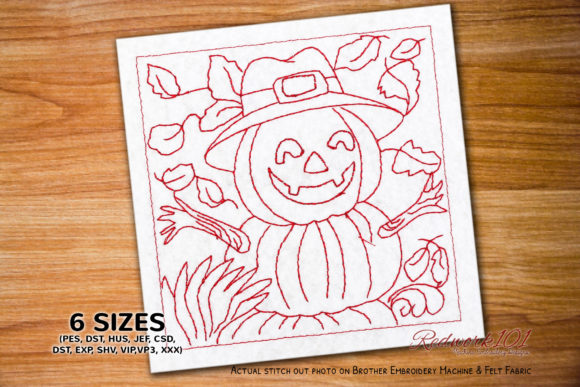
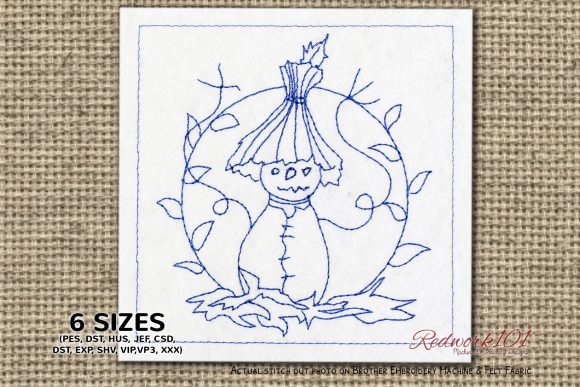
As an experienced embroidery designer who has reviewed thousands of digital files for commercial use, I approach every new asset with a critical eye toward its potential in real-world applications. Today, I am reviewing the Pumpkin Carved Man Redwork design to determine its viability for small business merchandise, branded patches, and custom apparel. The title alone suggests a specific aesthetic: rustic, handcrafted, and deeply rooted in the tradition of redwork embroidery. This is not merely a decorative element; it is a potential brand asset that can elevate a boutique's visual identity or add character to a staff uniform.
First Impressions and Visual Personality
The first thing that strikes me about Pumpkin Carved Man Redwork is its inherent charm. The term "Redwork" immediately signals a classic, folk-art style that resonates with customers seeking authenticity. In a market saturated with glossy, modern vector graphics, this design offers a warm, handmade feel. It feels friendly, playful, yet professional enough to sit comfortably on a high-end tote bag or a sturdy work apron.
From a branding perspective, this design bridges the gap between seasonal excitement and year-round utility. While the subject matter clearly aligns with Halloween, the simple line-work nature of redwork allows it to transcend being just a holiday novelty. It possesses a timeless quality that can serve as a signature mark for a creative studio, a bakery, or a local florist looking to inject personality into their packaging and products. The description notes that the color of the outer box is optional and often different from the main design, which gives the user significant flexibility in adapting the look to fit various brand palettes.
Real-World Applications for Small Businesses
When evaluating Pumpkin Carved Man Redwork for commercial projects, I see immense potential across several categories of small business merch. For owners of cafes or bakeries, this design could serve as a perfect chest logo accent on aprons. The simplicity of the outline ensures it remains legible even when stitched onto curved surfaces like cap fronts or the sleeves of work shirts.
For Etsy sellers and craft business assets, this file is ideal for creating custom embroidered patches. Imagine a boutique selling handmade goods offering these patches as a premium add-on or using them as a subtle brand mark on product tags. The design works exceptionally well as a branded patch that can be ironed or sewn onto denim jackets, canvas totes, and felt bags. It transforms a generic item into a unique piece of merchandise that encourages customer engagement and fosters a sense of community.
In the realm of corporate uniforms, this design could act as a seasonal touch for event merch during October. However, its versatility extends beyond the holidays. A pet brand might use a variation of this design to create a charming label for bandanas or treat bags. The key here is how the design interacts with the finished product. When executed correctly, it adds a layer of perceived value, making the item feel more curated and thoughtful than a standard printed graphic.
Strategic Placement and Design Assets
Using Pumpkin Carved Man Redwork effectively requires understanding where it shines and where it might struggle. As a digital embroidery file, it excels as a standalone element or a supporting detail. For instance, placing it on the front pocket of a shirt creates a focal point without overwhelming the wearer. On a tote bag design, it can serve as the central motif, drawing the eye immediately.
The mention of the optional stitch box in the product description is a crucial detail for designers. Since the box color varies in most designs unless specified, you have the freedom to skip it entirely if your brand identity relies on a cleaner, minimalist look. This adaptability makes it a versatile tool in your design assets library. You can use the core pumpkin figure for a series of variations, ensuring visual consistency while allowing for creative experimentation.
Critical Considerations for Production Quality
While the aesthetic appeal is strong, a professional review must address technical execution. Not all fabrics are created equal, and the success of machine embroidery design often hinges on the substrate. I advise testing this design on textured fabric before committing to a large run. If the fabric is too rough or uneven, the fine lines of the redwork may get lost, resulting in a muddy appearance.
Stitch density is another vital factor. Designs with intricate outlines require careful balancing. If the density is too high, the fabric may pucker, especially on lightweight materials like t-shirts or sheer totes. Conversely, if the density is too low, the design may lack definition. Before production, always inspect the spacing between elements to ensure they do not crowd each other, particularly if you plan to scale the design down.
There are specific scenarios where caution is warranted. Small patch sizes can sometimes compromise the integrity of detailed outlines. If you intend to make a tiny badge for a collar, verify that the smallest details remain distinct after stitching. Similarly, when applying this to dark uniforms, thread color contrast becomes paramount. A light redwork thread on a black background might lose visibility depending on the lighting conditions of your shop or store.
Impact on Brand Identity and Customer Trust
The choice of embroidery design directly influences brand identity. Using a design like Pumpkin Carved Man Redwork signals to your customers that you care about craftsmanship. It suggests a handmade product ethos, which builds trust and recognition. In a crowded marketplace, such visual cues help differentiate your offerings from mass-produced items. Customers are more likely to remember a brand that uses distinctive, high-quality embroidery rather than generic prints.
This design also enhances the emotional connection with buyers. The whimsical nature of a carved man in a pumpkin evokes nostalgia and joy, which can positively affect buyer engagement. Whether used on a gift item or a promotional giveaway, the design leaves a lasting impression that reinforces the personality of your business.
Practical Designer Notes for Success
To ensure the best results with Pumpkin Carved Man Redwork, I recommend following a strict pre-production workflow. First, test the design in black and white to evaluate the structure and balance of the stitches without the distraction of color. This helps identify any potential issues with fill areas or running stitches.
Next, check if the design works at your intended small patch size. Create a printable mockup for client approval to visualize how it looks on the actual garment or accessory. Review thread colors carefully to ensure they complement the fabric texture and the overall brand palette. Confirm the hoop size required for the design to avoid unnecessary trimming or re-hooping errors.
Always use proper stabilizer to support the fabric during stitching, preventing distortion. Compare the design beside other design assets in your collection to maintain visual consistency across your product line. Finally, confirm commercial licensing before using this file for business use to protect your intellectual property and ensure compliance with the creator's terms.
If specific details regarding stitch count, file format, or exact hoop dimensions are not provided in the initial download, I strongly advise contacting the designer or checking the documentation thoroughly. These technical specifications are essential for predicting the final outcome and avoiding costly production mistakes. By taking these steps, you can transform Pumpkin Carved Man Redwork from a simple digital file into a powerful tool for your small business growth.