Raccoon Embroidery Design Review for Small Business
As an experienced embroidery designer who has spent years refining digital files for commercial use, I approach every new asset with a critical eye. When evaluating Raccoon, a design categorized under Baby Animals, my focus shifts immediately from simple aesthetics to practical application in a business context. This isn't just about creating a cute image; it is about understanding how this embroidery file functions as a vital component of your brand identity. Whether you are running a boutique, a local café, or a handmade product line on Etsy, the choice of design assets directly impacts customer perception and product value.
First Impressions: Personality and Brand Fit
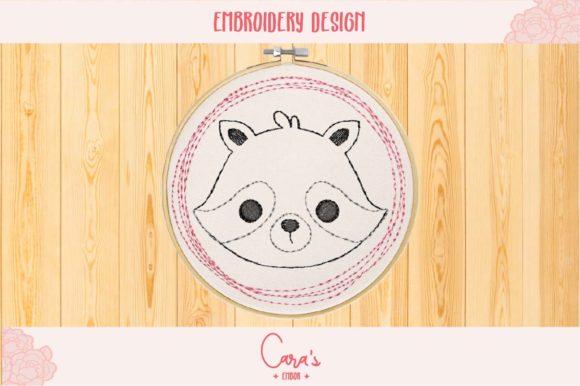
The initial review of the Raccoon design reveals a playful yet professional aesthetic that aligns perfectly with modern small business trends. The title suggests a whimsical character, while the description emphasizes quality and testing. This combination implies a design that balances charm with reliability. For brands focused on handmade products, pet care, or creative studios, this design offers a friendly visual personality without sacrificing the premium feel required for high-end merchandise.
In the world of commercial embroidery, a design must do more than look good on a screen; it must translate into thread. The Raccoon design appears to possess the structural integrity needed for various applications. It feels versatile enough to serve as a primary logo accent or a subtle detail on a larger garment. The "Baby Animals" category often leans heavily into cuteness, but for business use, we need to ensure the design retains a level of sophistication that builds customer trust. Based on the testing notes provided, this file aims to deliver top-quality results, suggesting it can handle the rigors of production environments.
Real-World Applications for Merchandise and Uniforms
When considering where Raccoon fits into your inventory, the possibilities are extensive. Small business owners often struggle to find designs that work across multiple product lines. This design proves its worth by being adaptable to custom apparel and accessories alike.
- Embroidered Patches: One of the strongest use cases for this design is creating durable patches. A well-executed embroidered patch featuring Raccoon can be sewn onto denim jackets, backpacks, or aprons. These patches serve as excellent conversation starters and brand markers for customers.
- Staff Uniforms and Aprons: For bakeries, florists, or coffee shops, staff uniforms need to be both functional and branded. Incorporating Raccoon into apron embroidery adds a touch of personality that makes employees feel part of a unique community rather than just wearing a generic shirt.
- Cap Embroidery: Caps are a staple of small business merch. The design's proportions likely suit the curved surface of a cap front panel, offering a compact yet recognizable logo for events or promotional giveaways.
- Tote Bag Designs: Tote bags are essential for craft fairs and retail stores. A tote bag design featuring this animal theme appeals to shoppers looking for eco-friendly, stylish, and functional items. It transforms a simple canvas bag into a walking advertisement for your brand.
- Product Packaging Accents: Beyond clothing, consider using this design on product tags or packaging inserts. A small stitched detail on a box or a hangtag elevates the unboxing experience, reinforcing the handmade presentation of your goods.
Strategic Considerations and Potential Pitfalls
While the potential is high, every machine embroidery design requires careful planning to avoid costly errors. There are specific scenarios where Raccoon might require adjustments or where caution is advised.
Size and Detail Limitations: If you plan to produce very small patches or tiny chest logos, you must evaluate the stitch density. Highly detailed outlines can become muddy if the design is scaled down too much. Always test the design at its intended final size before committing to a bulk run. Similarly, when applying this to curved surfaces like caps, the distortion of the fabric can alter the appearance of the stitches. What looks perfect on a flat hoop may stretch differently on a hat.
Fabric and Color Contrast: The success of any embroidery depends heavily on the substrate. On dark uniforms or textured fabrics, the visibility of lighter threads may be compromised. You need to ensure there is sufficient contrast between the thread colors and the background material. Furthermore, items that undergo frequent washing, such as work shirts or kitchen aprons, will subject the design to significant wear. High stitch density areas can sometimes trap lint or pilling over time, so reviewing the design's construction is crucial for longevity.
Licensing and Commercial Use: Before integrating Raccoon into your product line, confirm that you have the appropriate commercial licensing for the digital file. Using a design for resale without proper rights can lead to legal issues. Ensure the file format supports your specific machine and that you understand the limitations regarding reproduction.
Essential Designer Notes for Production
To ensure the finished product meets your professional standards, follow these practical steps derived from industry best practices. The product description explicitly states: This design has been tested and reviewed to ensure top quality. Test stitch the design, or portions of it, before stitching it onto your final item, as results may vary depending on fabric and stabilizer.
- Test Stitching: Never skip the test run. Stitch the design on scrap fabric that matches your target material. This helps you identify issues with tension, pull-in, or registration before cutting into expensive inventory.
- Stabilizer Selection: The choice of stabilizer is as important as the design itself. For stretchy knits, a cut-away stabilizer is often necessary to prevent puckering. For stable wovens, a tear-away might suffice. Always match the stabilizer to the fabric texture.
- Hoop Size Verification: Check the recommended hoop size for the design. Attempting to embroider a large design in a small hoop can lead to misalignment or excessive trimming of the edges.
- Color Mockups: Create a printable mockup to visualize the design in different colorways. This allows you to present options to clients or stakeholders for approval before spending time on actual production.
- Digital Asset Comparison: Compare Raccoon alongside your other design assets. Does it maintain visual consistency with your existing branding? Does it fit the overall style guide of your shop?
Conclusion: Elevating Your Brand Identity
The decision to use Raccoon in your business operations goes beyond adding a cute graphic to a shirt. It is a strategic move to enhance your brand identity and engage with your audience on a deeper level. By carefully selecting this digital embroidery file and adhering to rigorous testing protocols, you can create merchandise that resonates with customers and stands up to the demands of daily wear.
Whether you are launching a new line of branded patches, updating your team's uniforms, or creating special event souvenirs, this design offers a blend of charm and professionalism. Remember that the key to success lies in preparation. Take the time to test, adjust, and refine. With the right execution, Raccoon can become a signature element of your brand, driving recognition and loyalty among your clientele.