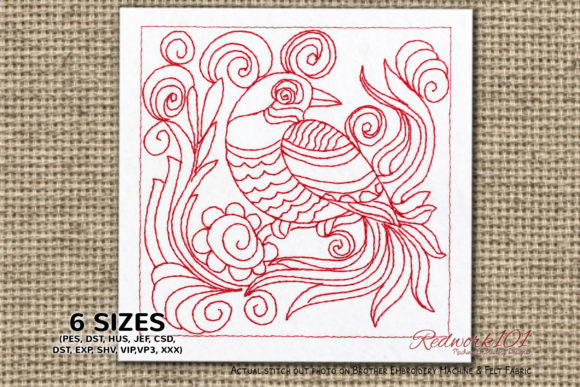
Red Cardinal Bird on Holly Leaf Sketch
As an experienced embroidery designer who spends weekends setting up booths at craft fairs and managing a busy handmade shop, I know that the difference between a design that sits in your digital folder and one that actually sells comes down to visual impact and production practicality. When I first laid eyes on the Red Cardinal Bird on Holly Leaf Sketch, I immediately started visualizing it on my display table. This isn't just another generic bird motif; it carries a specific energy that feels both festive and timeless. In this review, I am breaking down exactly how this machine embroidery design performs when turned into real-world products for sellers like you.
First Impressions: Festive Charm Meets Farmhouse Style
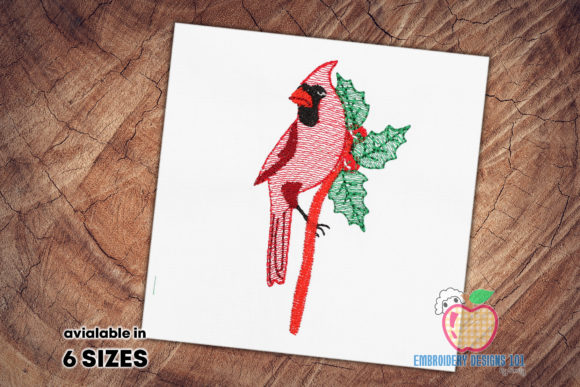
The title Red Cardinal Bird on Holly Leaf Sketch suggests a classic winter or holiday theme, but the word "Sketch" implies a softer, more artistic approach rather than a stiff, rigid graphic. From a design perspective, this combination screams "handmade quality." It feels rustic yet elegant, perfect for the farmhouse aesthetic that dominates the current market. Unlike bold, cartoonish logos that might appeal to children, this design has a refined look that appeals to adults looking for premium gifts. The contrast of a vibrant red cardinal against green holly leaves creates a natural focal point that is impossible to ignore on a crowded booth table. It strikes a balance between being decorative and understated enough to work as a subtle accent piece.
Product Potential: Where This Design Shines
In my experience evaluating designs for commercial use, certain motifs are versatile while others are niche. The Red Cardinal Bird on Holly Leaf Sketch falls firmly into the versatile category. Here is how I see it performing across various product lines:
- Tote Bags and Market Bags: A tote bag is often the first item customers pick up at a craft fair. Placing this design centrally on a canvas tote allows the colors to pop. It works beautifully as a large focal design, drawing attention from across the aisle. The sturdy fabric of a tote bag can handle the stitch density required for a detailed bird without puckering.
- Apron Embroidery: For kitchen-focused sellers, this design is a winner. An apron with a cardinal and holly sketch adds a touch of seasonal warmth to any home. It feels personal and thoughtful, making it an ideal gift for someone who loves cooking during the holidays.
- Tea Towel Embroidery: Linen or cotton tea towels are high-margin items. This design fits perfectly in the corner or center of a towel. The holly leaves provide a nice framing element that complements the texture of the fabric, enhancing the overall artisan feel.
- Embroidered Patches and Caps: If you are selling accessories, this design translates well to patches. However, for caps, you must be careful with the hoop size and curvature. A smaller version of the sketch works best here to ensure the bird's features remain distinct on the curved surface.
- Pillow Covers and Small Pouches: These items allow for higher detail. On a pillow cover, the sketch style can be rendered with finer threads to create depth. For small pouches, it serves as a charming accent that elevates the perceived value of a simple accessory.
Visual Appeal and Customer Engagement
When customers browse an Etsy listing or walk through a craft fair, they are scanning for things that catch their eye. The Red Cardinal Bird on Holly Leaf Sketch offers excellent visual contrast. Red and green are complementary colors that naturally draw the human eye. In a booth filled with neutral tones, a splash of red from this design will make your section stand out. Furthermore, the "sketch" nature of the design suggests a hand-drawn origin, which aligns perfectly with the "handmade" narrative that buyers crave. It doesn't look mass-produced; it looks like something crafted with care. This perception directly influences buyer engagement and willingness to pay a premium price.
Practical Production Notes for Sellers
While the design is visually appealing, turning it into a profitable craft fair product requires technical diligence. Before you start mass-producing, there are several critical factors to consider regarding the file itself.
First, understand the file structure. The description notes that files come in a ZIP folder and require unzipping software before transfer to your machine. This is standard, but it means you need a reliable workflow to manage these digital embroidery files. Once extracted, you must verify the stitch count and format compatibility with your specific embroidery machine. If the design contains dense stitch areas, you may need to adjust your thread tension or switch to a higher-quality stabilizer to prevent the fabric from distorting.
Pay close attention to stitch density. Designs with intricate details, like the feathers of a cardinal, can sometimes lose clarity if the density is too high, causing the fabric to become stiff. Conversely, if the density is too low, the design may look sparse. You should test the design on scrap fabric to ensure the thread colors render correctly. Sometimes, a colorway that looks good on a screen does not translate well to physical thread, especially when working with dark fabrics where the underlay might show through.
Careful Use and Limitations
There are specific scenarios where this design might struggle if not handled with care. If you attempt to embroider this on very thick fabrics, such as heavy denim or wool, the needle penetration might be difficult, leading to skipped stitches. Similarly, on highly textured towels, the fine lines of the sketch might get lost in the weave of the fabric. Small lettering, if present in the design, could become illegible if you try to scale the design down too much for a tiny patch or a button.
Additionally, when photographing your finished products for online listings, lighting is key. The red of the cardinal can sometimes appear orange or brown depending on the light source. Ensure your printable mockup or actual photos accurately represent the true colors of the thread. Misleading images lead to returns and unhappy reviews, so always inspect the finished product closely before adding it to your inventory.
Designer's Checklist for Success
To maximize the potential of the Red Cardinal Bird on Holly Leaf Sketch, I recommend following this workflow before launching your products:
- Test on Scrap Fabric: Always run a test stitch on a piece of the same material you plan to sell. Check for puckering and thread breaks.
- Check Thread Contrast: Ensure the red and green threads stand out clearly against your chosen background fabric.
- Review Spacing: Verify that the design fits comfortably within your intended hoop size without cutting off important details.
- Inspect Stitch Density: Look for areas that are overly packed and consider adjusting the settings if the fabric becomes too rigid.
- Use the Right Stabilizer: Select a stabilizer that matches the weight and stretch of your fabric to maintain shape.
- Create Real Mockups: Produce at least one physical sample to photograph for your Etsy listings. Digital renders are helpful, but real photos build trust.
- Confirm Commercial Licensing: Before selling finished goods, double-check the licensing terms associated with the embroidery file to ensure you have the right to resell the items.
By taking these steps, you transform a simple digital asset into a tangible, high-value small shop product. The Red Cardinal Bird on Holly Leaf Sketch has all the elements needed to become a bestseller in your collection, provided you execute the production with the precision that defines a professional brand. Whether you are stocking your booth for a weekend fair or updating your online store, this design offers a blend of charm and quality that resonates with today's creative consumers.