Easter Fruit Basket Redwork Review
As an experienced embroidery designer preparing for a busy weekend craft fair, I am constantly evaluating new machine embroidery design files to determine if they will stand out on a crowded table. Today, I am reviewing the Easter Fruit Basket Redwork. The title suggests a classic, nostalgic aesthetic that fits perfectly with the seasonal demand of spring markets. My goal is to assess whether this file offers the versatility needed for a successful booth display and how it translates into tangible handmade product value.
First Impressions: Farmhouse Charm and Seasonal Appeal
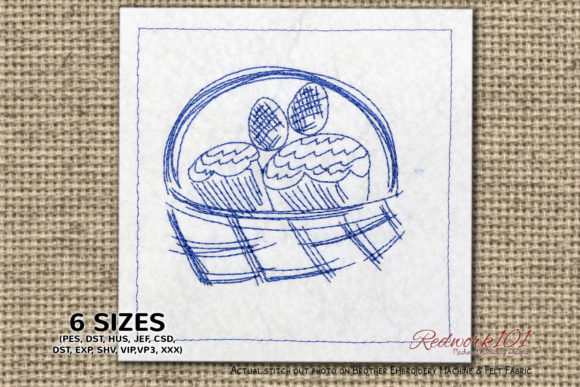
The moment I see the name Easter Fruit Basket Redwork, I visualize a rustic, farmhouse style that is currently dominating the craft fair product landscape. Redwork, by definition, utilizes a single thread color, often red, against white or light fabric. This creates a high-contrast, graphic look that is immediately legible from across a room. Unlike complex, multi-colored fills that can sometimes appear muddy in person, this design promises crisp lines and a clean finish.
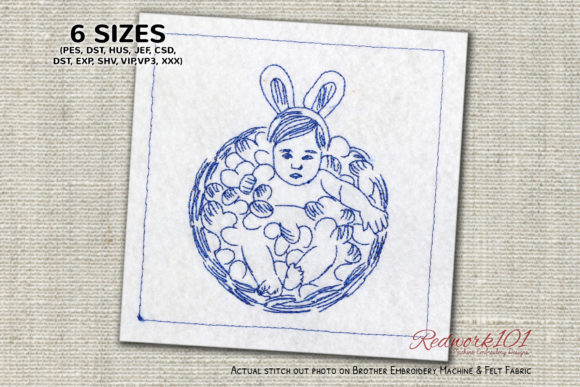
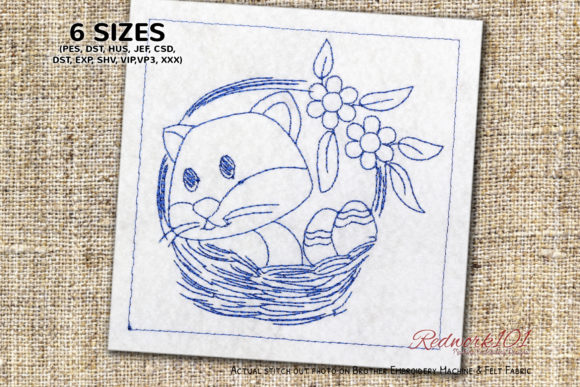
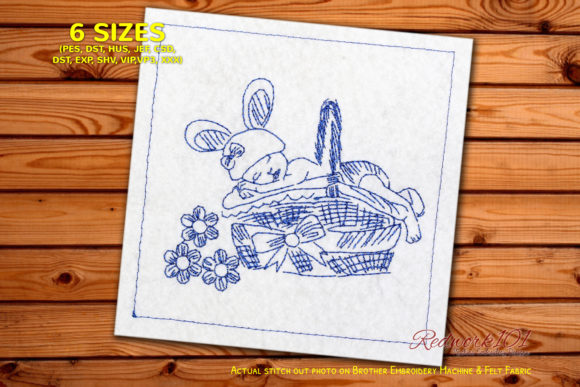
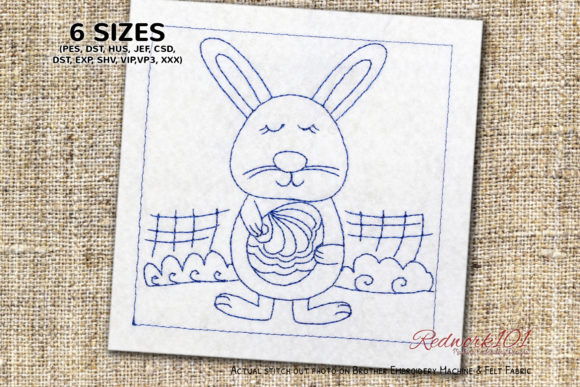
The description notes that the box stitch shown in the picture is optional. This is a crucial detail for a seller. It means I have creative control to adapt the design for different product types without being locked into a specific border. If I skip the outer box color, the design becomes more minimal and modern, allowing the fruit basket itself to take center stage. This flexibility is exactly what I need when curating a collection of small shop product offerings that range from vintage-inspired to contemporary chic.
Product Versatility: Where This Design Shines
To maximize sales at my booth, I need to know where this embroidery file performs best. Let us evaluate its potential across various items:
- Tote Bag Design: A tote bag is a staple for any Etsy seller. Placing the Easter Fruit Basket Redwork on a canvas tote provides a large, flat surface that showcases the single-color detail beautifully. It acts as a statement piece that customers can grab and hold, instantly understanding the quality of the stitching.
- Apron Embroidery: For kitchen-focused shoppers, an apron featuring this design is a perfect gift item. The redwork style complements white linen or denim aprons, adding a pop of festive color without overwhelming the garment. It feels practical yet decorative, ideal for someone looking to celebrate Easter in their kitchen.
- Tea Towel Embroidery: Tea towels are high-margin items for handmade shops. The contrast of red thread on a white towel makes the fruit basket pattern pop visually. Since tea towels are often displayed folded or hung, the design needs to be recognizable even at a glance. This design delivers on that front.
- Embroidered Patch: Converting this into a detachable patch allows me to sell it on beanies, denim jackets, or backpacks. The simplicity of the redwork style ensures the patch remains durable and washable, key factors for a long-lasting finished product.
- Caps and Small Pouches: On curved surfaces like caps, the design must not be too dense. If the fruit details are small enough, this could work as a subtle accent. However, for pouches, the design serves as a focal point, making the item feel premium and custom-made.
Visual Impact and Customer Engagement
In a physical market setting, visual appeal drives impulse buys. The Easter Fruit Basket Redwork design has a strong graphical quality that photographs well for online listings. When creating a printable mockup for my digital inventory, the single-color scheme ensures that the image looks sharp on mobile screens. Customers scrolling through Etsy or social media will stop because the design is clear and easy to interpret.
The design also enhances the perceived value of the item. Handmade goods often sell based on the story and the aesthetic. A redwork fruit basket evokes feelings of tradition, springtime harvest, and homey comfort. This emotional connection increases buyer engagement. When a customer sees the stitch density is consistent and the lines are smooth, they trust the quality of the commercial embroidery work, justifying a higher price point for the digital embroidery file or the physical item.
Production Practicality for Batch Sales
For a craft fair, efficiency is everything. I need to produce multiple units quickly without sacrificing quality. The redwork style is generally efficient regarding production time since it uses only one thread color. This reduces the frequency of thread changes and minimizes the risk of errors during the run. Furthermore, the design appears repeatable, meaning I can create a series of matching items—like a set of pillow covers or a group of market bags—that look cohesive on the display table.
However, I must consider the limitations. The description mentions that the outer box color might differ or be skipped. This implies that the core design relies on the outline or fill stitches of the basket and fruit. If the stitch density is too high in small areas, it might cause puckering on thin fabrics. Therefore, testing on scrap fabric is non-negotiable before committing to a full batch of handmade gifts.
Critical Designer Notes for Success
Before I head to the market, there are several technical checks I must perform to ensure the Easter Fruit Basket Redwork meets professional standards:
- Check Thread Contrast: Even though it is redwork, the shade of red matters. A bright cherry red works differently than a deep burgundy. I need to select a thread that contrasts sharply against the fabric, whether it is white, cream, or a soft pastel.
- Review Spacing and Hoop Size: I must confirm the recommended hoop size for the design. If the fruit basket is too wide for a standard 4x4 hoop, I may need to split the design or use a larger hoop, which limits the types of products I can embroider efficiently. Checking the spacing ensures that the text or small details do not get cut off on smaller items like patches.
- Inspect Stitch Density: Dense stitch areas can become stiff and uncomfortable on items like aprons or tote bags. I will inspect the design to ensure the fill stitches are balanced. If the area is too heavy, I might need to adjust the underlay or choose a lighter stabilizer.
- Use the Right Stabilizer: For textured towels or thick denim, a tear-away or cut-away stabilizer is essential to prevent distortion. Using the wrong stabilizer can ruin the clarity of the embroidery design, especially on curved cap surfaces.
- Create Real Mockups: Digital renderings are helpful, but nothing beats a real sample. I will create at least one real mockup on the actual fabric I plan to sell. This helps me compare fabric colors and see how the texture interacts with the thread.
- Confirm Commercial Licensing: Before selling finished products, I must verify the commercial licensing terms associated with the digital embroidery file. Some licenses allow for unlimited sales, while others require a specific number of units.
Final Verdict for the Craft Fair Booth
The Easter Fruit Basket Redwork is a strong contender for my upcoming market season. Its simplicity allows it to shine on a variety of products, from tote bag design applications to delicate tea towel embroidery. The ability to customize the outer box gives me the freedom to tailor the look to my brand's specific aesthetic.
By focusing on high-quality fabric selection and proper stabilization, I can ensure that every handmade product leaving my booth reflects the highest standards of craftsmanship. This design has the potential to attract attention, drive sales, and build a loyal customer base who appreciates the timeless charm of redwork. For any creative entrepreneur looking to expand their embroidery business, this file offers a solid foundation for a profitable line of seasonal goods.