Family Tree Pattern Bluework Review
As an experienced embroidery seller who has spent years curating collections for Etsy and small boutique shops, I am always looking for designs that balance aesthetic appeal with commercial viability. When browsing Creative Fabrica embroidery options for my next seasonal drop, the Family Tree Pattern Bluework immediately caught my eye. It is not just a digital file; it represents a specific opportunity to create meaningful, personalized gifts that resonate with buyers looking for heirloom-quality items. In this review, I will evaluate how this design fits into a modern craft business, its potential for various products, and the practical steps needed to turn this digital asset into a profitable finished product.
Visual Personality and Market Fit
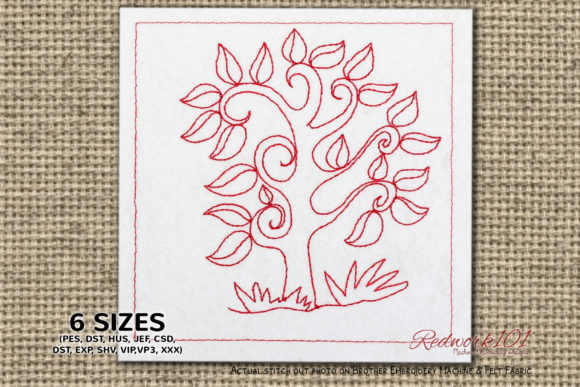
The title Family Tree Pattern Bluework suggests a design that leans towards classic, elegant, and perhaps slightly rustic or minimalist aesthetics. The term "Bluework" often implies a clean, monochromatic look that relies on texture and stitch density rather than complex color gradients. For an Etsy seller, this is a significant advantage. A design with a cohesive visual personality allows you to target specific niches without alienating customers. This pattern feels best suited for products that require a touch of sophistication but remain accessible. It does not scream "loud and playful"; instead, it whispers "timeless and cherished."
I envision this design fitting perfectly into a collection focused on family milestones, such as new baby announcements, wedding gifts, or holiday ornaments. The blue tone, whether achieved through thread choice or the nature of the pattern itself, adds a layer of calm professionalism. It works well for both masculine and feminine audiences, making it a versatile addition to any shop's inventory. Whether you are creating custom apparel or home decor, the design offers a premium feel that can elevate a standard item into something special.
Ideas for Product Development
One of the most exciting aspects of working with a design like Family Tree Pattern Bluework is the sheer variety of products it can adorn. As a seller planning a small batch collection, I see immediate potential in several categories:
- Tote Bag Design: A large, open tote bag provides ample space for a tree motif. This could be marketed as a "family outing" bag or a book lover's accessory, appealing to those who value storytelling through their accessories.
- Sweatshirt Embroidery: For cozy winter collections, placing this design on the chest of a high-quality sweatshirt creates a warm, inviting garment. It transforms a basic piece of clothing into a sentimental keepsake.
- Baby Embroidery: Baby blankets and onesies are evergreen sellers. A family tree design here speaks directly to parents wanting to document their growing family in a subtle, artistic way.
- Kitchen Towel Embroidery: While less common for trees, a stylized version on a kitchen towel could work beautifully for a farmhouse-style home decor line, adding a touch of nature to the cooking space.
- Embroidered Patch: If the design is compact enough, it could be digitized as a patch for denim jackets or caps, offering a trendy alternative to full-size embroidery.
- Pillow Covers and Aprons: These items allow for larger stitch areas, giving the design room to breathe and showcase the intricate details of the stitch density.
Enhancing Buyer Experience and Photography
When selling handmade products online, the photograph is everything. A design like Family Tree Pattern Bluework offers excellent opportunities for product photography. Because of its likely clean lines and structured composition, it photographs exceptionally well against neutral backgrounds, allowing the texture of the thread to stand out. This helps the listing look more professional and memorable.
The design also enhances the perceived value of the item. Buyers are often willing to pay a premium for items that tell a story. A family tree pattern inherently tells a story of connection and heritage. By using this design, you are not just selling a stitched image; you are selling the idea of preserving memories. This emotional connection makes the product feel more giftable. When a customer sees your listing, they should immediately think, "This would be perfect for my sister's housewarming gift" or "I need this for my grandmother." That immediate emotional trigger is crucial for conversion rates on platforms like Etsy.
Practical Seller Notes for Production
Before rushing to list these items, there are critical technical considerations every serious Etsy seller must address. The description notes that the box stitch is optional and that colors may vary. This flexibility is great, but it requires careful planning to ensure consistency across your production run.
First, you must create a sample stitch-out. Do not skip this step. Test the design on the actual fabric you intend to sell, such as the canvas for a tote bag or the fleece for a sweatshirt. This helps you visualize how the stitch density interacts with the material. Some fabrics may pucker if the density is too high, while others might show gaps if the stitches are too sparse. You need to determine the correct hoop size required to capture the entire design without losing detail at the edges.
Next, consider your thread colors. Since the design is described as "Bluework," you have the creative freedom to choose from a spectrum of blues. However, you must ensure the chosen thread contrasts sufficiently with the base fabric. A light blue thread on a white background might lack visibility, whereas a navy thread on cream would pop. Take photos of your test samples under different lighting conditions to simulate how they will appear in your online store. Check the readability of the design at thumbnail size; if the fine details disappear when the image is small, the design might need simplification or a different presentation angle.
Don't forget the stabilizer. Depending on the product type, you may need cut-away or tear-away stabilizers to support the weight of the embroidery. Using the wrong stabilizer can lead to distortion, ruining the professional look of your commercial embroidery pieces.
Licensing and Commercial Use
Perhaps the most important step before selling any digital embroidery file is reviewing the licensing terms. Creative Fabrica offers various licenses depending on the subscription plan or individual purchase. You must confirm that the license allows for commercial embroidery and the sale of physical finished goods. Some licenses restrict the number of units you can sell, while others require attribution. Always verify these details on the product page to avoid legal issues later.
If the design includes elements that are part of the pattern versus optional additions (like the box mentioned), you need to decide which version you will produce. Consistency is key for building a brand. If you offer variations, make sure they are clearly labeled in your product descriptions. For instance, clarify if the outer box color is customizable or fixed based on the specific file version used.
Conclusion
The Family Tree Pattern Bluework presents a compelling option for embroidery sellers looking to expand their catalog with meaningful, high-value items. Its classic aesthetic and versatility make it suitable for a wide range of products, from personalized gifts to boutique merchandise. By carefully testing the stitch quality, selecting appropriate materials, and adhering to licensing agreements, you can transform this digital file into a successful line of handmade products. Whether you are preparing for a craft fair or updating your Etsy shop, this design has the potential to become a staple in your collection, helping you connect with customers who value craftsmanship and sentimentality.