High Heeled Shoe Bluework: A Designer's Review for Market Success
As an experienced embroidery designer who spends countless weekends setting up booths at craft fairs and managing online handmade shops, I know that the difference between a design that sits on a shelf and one that sells out in minutes often comes down to visual impact and production practicality. Today, I am reviewing High Heeled Shoe Bluework, a digital embroidery file that promises to bring a touch of fashion flair to your accessory line. Before you commit to printing hundreds of tags or listing this as a flagship item on Etsy, let us look at how this design performs in the real world of commercial embroidery.
The First Impression: Style and Market Fit
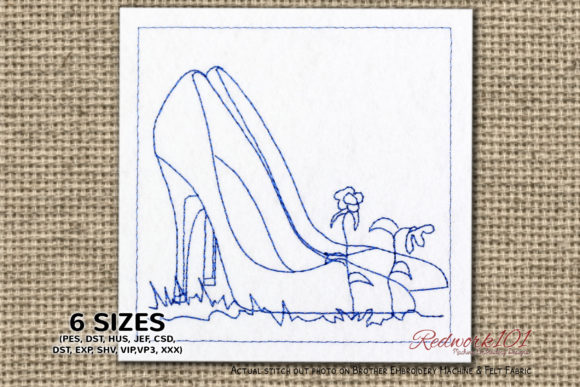
When you first open the files for High Heeled Shoe Bluework, the immediate feeling is one of elegant simplicity. The title suggests a focus on the iconic silhouette of a high heel, which immediately signals style and femininity. In the current market for craft fair products, designs that balance modern trends with timeless appeal tend to perform best. This piece feels less like a trendy novelty and more like a sophisticated accent that fits well within a boutique aesthetic.
The description mentions that the box stitch is optional and that color variations can be managed by skipping specific steps. This flexibility is a goldmine for sellers. It means you are not locked into a single colorway. You can create a small shop product line where the shoe is stitched in navy on white canvas, then in blush on cream, or even in monochrome black thread on denim. This adaptability allows Etsy sellers to target different customer segments without needing entirely new designs.
Product Potential: Where High Heeled Shoe Bluework Shines
Imagine walking through a busy craft fair. What catches the eye? Often, it is the items that tell a story or add a pop of personality to everyday objects. High Heeled Shoe Bluework is versatile enough to elevate a wide range of handmade products.
- Tote Bags: A tote bag is the quintessential crafter accessory. Placing High Heeled Shoe Bluework near the bottom hem creates a playful yet chic detail that customers love. It works beautifully as a focal point on canvas bags sold to fashion-conscious shoppers.
- Aprons and Tea Towels: For those selling kitchen goods, this design transforms a standard tea towel embroidery project into a conversation starter. The sleek lines of the shoe contrast nicely with rustic linen or crisp cotton, making it perfect for farmhouse-style kitchens or modern culinary enthusiasts.
- Caps and Patches: The clean lines of the bluework style translate exceptionally well to curved surfaces. On a baseball cap, the design serves as a subtle logo or statement piece. Additionally, because the design appears solid and defined, it is an excellent candidate for creating an embroidered patch that can be ironed onto jackets or jeans.
- Pillow Covers and Pouches: For home decor, adding this motif to a throw pillow adds a layer of commercial embroidery sophistication. Similarly, small fabric pouches featuring the shoe design make for affordable, impulse-buy items that move quickly at a booth.
Production Practicality and Visual Appeal
From a production standpoint, understanding the stitch density and layout is crucial. Designs that are too dense can cause puckering, while those that are too sparse may lack definition. Based on the bluework nature of High Heeled Shoe Bluework, we expect a clean, open structure that relies on outline stitches rather than heavy fill patterns. This generally makes it easier to hoop and stitch, reducing the risk of distortion on difficult fabrics.
Photographing your finished goods is half the battle for online sales. A design like this photographs very well because the negative space allows the background fabric texture to show through. Whether you are creating a printable mockup for your website or taking photos for Instagram, the design will likely render clearly even in smaller thumbnails. This clarity helps drive clicks and conversions for your listings.
Furthermore, the ability to skip the outer box color mentioned in the description gives you control over the final look. If you are producing in batches, simplifying the color count can speed up threading changes, allowing you to churn out inventory faster for holiday rushes or weekend markets.
Important Considerations for Success
While the potential is high, every embroidery file requires careful execution to ensure the finished product meets professional standards. There are specific areas where attention to detail is non-negotiable.
Fabric Texture and Stability: When working with textured towels or thick denim, ensure you use the correct stabilizer. A lightweight cut-away or tear-away might not provide enough support if the design area is large. Always test on scrap fabric first to confirm that the hoop size accommodates the design without cutting off any critical details. If the design includes tiny details, verify that they remain visible when stitched; sometimes, what looks good on screen can become muddy on a dark or heavily textured fabric.
Thread Contrast: The visual impact of High Heeled Shoe Bluework depends heavily on thread selection. On light fabrics, a darker thread will pop, while on dark fabrics, a metallic or bright thread may be necessary to ensure the shoe shape is legible from a distance. Poor contrast can make a design disappear, killing its sales potential.
Size Matters: Be cautious about scaling the design down too much. While bluework is generally scalable, extremely small versions may lose the elegance of the lines. Stick to sizes that allow the curve of the heel and the structure of the shoe to breathe. If you plan to sell these as digital embroidery file assets or finished goods, maintaining a consistent size across your collection reinforces your brand identity.
Final Verdict for the Creative Entrepreneur
High Heeled Shoe Bluework is a strong addition to any designer's library, particularly for those focusing on accessories and lifestyle goods. Its clean aesthetic aligns perfectly with current trends in handmade markets, offering a design that is both decorative and wearable. By paying close attention to fabric choices, stabilizer usage, and thread contrast, you can turn this digital asset into a profitable line of commercial embroidery products.
Before launching your next booth display, take the time to create at least one real mockup. Stitch it on the actual fabric you intend to sell, inspect the back for loose threads, and check the tension. Once you have confirmed that the design holds up under scrutiny, you will be ready to offer a premium product that resonates with buyers looking for quality and style. With the right presentation, this design has the power to become a standout favorite in your accessories category.