Pearl Plant Succulents Redwork Review
As an embroidery designer who has spent years refining the art of digitizing for apparel, I recently had the opportunity to evaluate a specific design for a new boutique sweatshirt collection. The piece in question is Pearl Plant Succulents Redwork. When preparing for a limited drop for a small online shop, every file selection matters immensely. It isn't just about having a pretty image; it is about how that image translates into a tangible, high-quality finished product on fabric. This review breaks down my professional assessment of this design, focusing on its potential for premium sweatshirts, hoodies, and cozy seasonal apparel.
The First Impression: Mood and Aesthetic
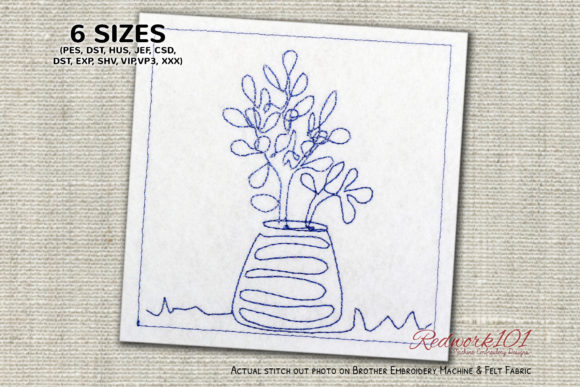
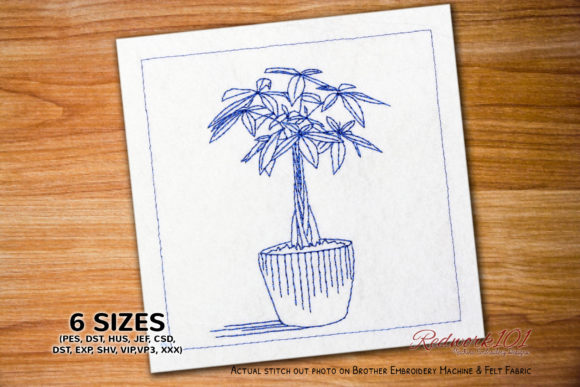
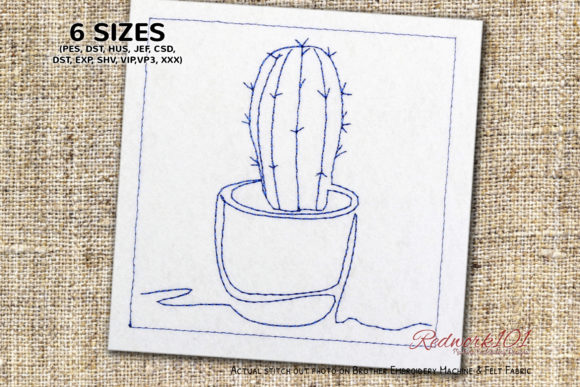
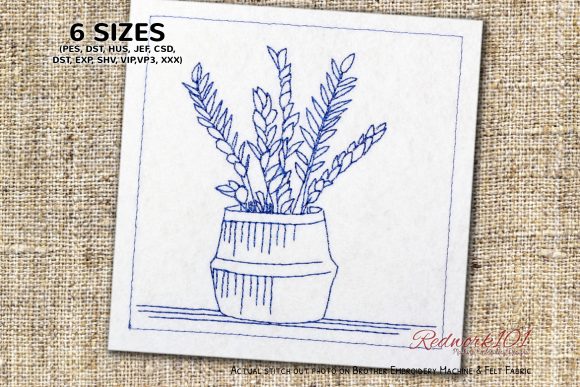
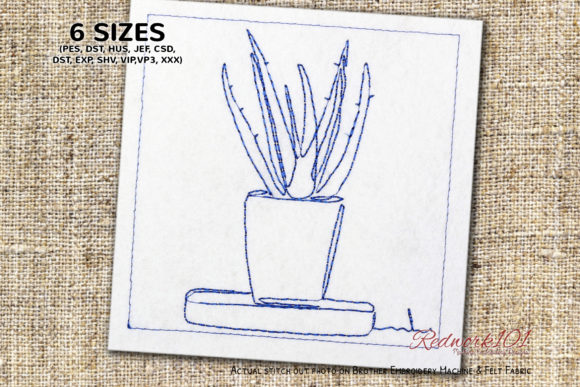
Upon opening the embroidery file, the immediate feeling was one of understated elegance. The title Pearl Plant Succulents Redwork suggests a specific aesthetic: clean lines, minimal fill, and a focus on outline rather than heavy saturation. Unlike designs that rely on thick satin stitches to cover large areas, redwork styles often utilize fine running stitches or delicate outlines. This gives the design a sketch-like quality that feels incredibly modern and rustic simultaneously.
For a boutique brand looking to stand out, this approach is refreshing. It avoids the "stiff" look of traditional machine embroidery while still offering the durability and texture that customers expect from handmade goods. The layout appears balanced, with the succulent forms flowing naturally. It feels feminine yet playful, making it versatile enough for various demographics. Whether you are targeting a bohemian lifestyle audience or a minimalist fashion crowd, the Pearl Plant Succulents Redwork design strikes the right chord without being overly decorative or cluttered.
Visualizing the Design on Apparel
One of the most critical steps in my workflow is visualizing the machine embroidery design on different garment types. I imagined placing Pearl Plant Succulents Redwork on a variety of neutral sweatshirts first. On heather grey or oatmeal fabrics, the single-color thread would pop beautifully, creating a subtle contrast that feels premium. The lack of heavy density ensures the fabric remains soft, which is essential for sweatshirt embroidery where comfort is paramount.
I also considered dark fabric options. If executed in white or silver thread against a charcoal hoodie, the design would take on a bold, graphic identity. However, for a softer, more organic vibe, pastel colors like sage green or dusty rose on cream garments would highlight the "Pearl" aspect of the name perfectly. The design works exceptionally well as a chest placement on oversized hoodies, where the simplicity allows the cut of the garment to shine alongside the stitching.
Furthermore, I see great potential for sleeve accents. Because the Pearl Plant Succulents Redwork motif is likely compact, it could be repeated down the forearm or placed near the cuff for a unique detail that elevates a standard basic tee or sweatshirt. For back designs, if the file includes a larger version, it could serve as a statement piece for lifestyle product photography, adding depth to custom apparel branding.
Placement Strategies for Small Shops
For Etsy sellers and digital sellers, versatility is key. This design can be adapted for multiple uses:
- Chest Placement: Perfect for left-side branding on premium hoodies.
- Sleeve Accents: Adds a touch of personality to the arm area without overwhelming the silhouette.
- Back Designs: Ideal for larger formats to create a focal point for social media mockups.
- Boutique Merchandise: Works well on tote bags or hats to complement the main apparel line.
When creating printable mockup previews for your listings, ensure you capture how the light hits the thread. The redwork style catches light differently than dense fills, creating a subtle sheen that enhances the perceived value of the item.
Technical Considerations for Commercial Use
While the aesthetic is promising, a professional review must address the technical realities of production. When evaluating Pearl Plant Succulents Redwork for commercial embroidery, several factors come into play regarding thread color contrast, stitch density, and fabric thickness.
Stitch Density and Readability: Since this is a redwork design, the stitch count is likely lower than a fully filled floral. This is generally positive for sweatshirts, as it reduces bulk. However, I need to verify that the lines are not too thin for the chosen hoop size. If the design is intended for small placements, the details must remain crisp even when scaled down. The description notes that the "Stitch Box shown in the picture is optional," which is a crucial detail. It implies that the core design is the plant itself, allowing the decorator to skip extra elements if they want a cleaner look. This flexibility is excellent for small shop product customization.
Fabric and Stabilizer Choice: Sweatshirts require a sturdy stabilizer to prevent puckering, especially around curved areas like the chest or sleeves. Given the delicate nature of redwork, using a tear-away or cut-away stabilizer behind the knit fabric will ensure the finished product holds its shape after washing. The fabric texture of a French terry sweatshirt pairs beautifully with the linear quality of the stitching, enhancing the artisan feel.
Washing Durability: For any commercial embroidery project, longevity is non-negotiable. The design must be strong enough to withstand machine washing without fraying. While redwork is less prone to showing wear than dense satin stitches, checking the underlay and tension settings is vital. If the design feels too sparse, it might not have enough structural integrity for heavy-use items like hoodies.
Product Value and Brand Identity
Incorporating Pearl Plant Succulents Redwork into your collection does more than just add a graphic; it signals a commitment to quality. Customers associate clean, well-executed embroidery with trust and higher price points. A simple, elegant design like this can become a signature element of your brand identity, making your products instantly recognizable.
For creative entrepreneurs, this design offers a way to differentiate from mass-produced items. The "handmade" presentation is heightened by the subtle imperfections and textures inherent in embroidery. When paired with the natural theme of succulents, it evokes a sense of calm and growth, resonating deeply with lifestyle-focused buyers.
Final Thoughts on Production Readiness
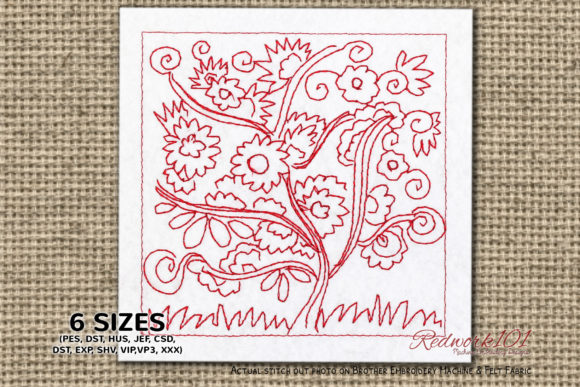
Before moving to full-scale production, there are a few practical reminders. As noted in the product details, the "color of the outer Box is a different color in most of the designs unless it is part of the design itself." You should confirm whether the box is included in the primary file or if it requires a separate digitization step. Additionally, always check the specific file format compatibility with your embroidery machines and verify the recommended thread colors for optimal contrast.
If the single flowers category typically features intricate detailing, this embroidery design stands out by embracing simplicity. It proves that you don't need thousands of stitches to create a memorable piece. By carefully managing the stabilizer choice and testing on sample fabric, Pearl Plant Succulents Redwork has the potential to be a star item in your next seasonal drop.
Ultimately, this design feels strong enough for apparel decorators and crafters alike. It balances the demands of a busy production schedule with the artistic vision required for a successful boutique brand. Whether you are launching a limited edition sweatshirt line or expanding your Etsy inventory, this file offers a sophisticated, durable, and visually appealing solution that speaks to the heart of modern handmade fashion.