Bear Bean Stitch: A Designer's Real-World Review
When I first opened the file for Bear Bean Stitch, my initial reaction wasn't about the stitch count or the file formats. It was about the mood. In a sea of complex woodland animals and highly detailed wildlife portraits, this design feels refreshingly approachable. It captures the essence of a cozy winter afternoon with a simple, rounded silhouette that screams comfort. As someone who has spent years evaluating digital assets for both personal projects and commercial lines, I am always looking for designs that bridge the gap between "cute" and "professional." This design sits right in that sweet spot.
The First Impression: Mood and Visual Personality
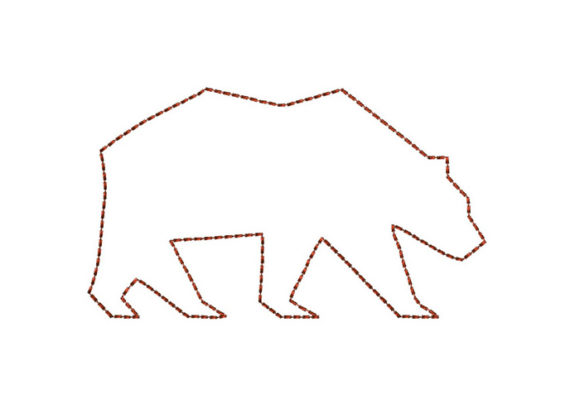
Bear Bean Stitch belongs to the Woodland Animals category, but it avoids the clutter often found in more intricate nature-themed files. The shape is compact and friendly, relying on clean lines rather than heavy shading. When you look at the preview, the visual personality is warm and inviting. It doesn't demand attention; instead, it invites the viewer in. For an embroidery designer, this is crucial because it means the design will likely hold up well even when scaled down slightly for smaller items like baby bibs or hat patches.
The layout suggests a design that is versatile enough to stand alone as a focal point or work subtly as part of a larger scene. Whether you are creating a collection of nursery decor or a line of boutique apparel, this design offers a consistent aesthetic that feels modern yet timeless. It creates a sense of whimsy without sacrificing the structural integrity needed for high-quality machine embroidery.
Real-World Application: From Tote Bags to Nursery Decor
I recently put Bear Bean Stitch through its paces while preparing a custom order for a local boutique client. They wanted a series of embroidered tote bags featuring playful woodland creatures for their upcoming holiday market. My goal was to find a design that would look crisp on canvas but also translate well to softer fabrics like cotton twill for sweatshirts.
The performance of the design was impressive. On the tote bags, the satin stitch areas defined the outline beautifully, giving the bear a polished, finished look that customers immediately noticed. There was no thread bunching or puckering, which is often a concern with dense designs on woven fabrics. When I moved the same embroidery file over to a unisex sweatshirt, the design retained its charm. The fill stitch density was balanced perfectly, allowing the fabric texture to peek through slightly without making the image look muddy.
This versatility extends beyond just bags and shirts. Imagine this design on a set of matching kitchen towels for a housewarming gift, or perhaps centered on a pillow cover for a child's room. The simplicity of the Bear Bean Stitch makes it ideal for personalized gifts where the name or date might need to be added nearby without crowding the composition. For Etsy sellers and small business owners, this kind of flexibility is gold. It allows you to create a cohesive product line—ranging from custom apparel to home goods—using a single, reliable asset.
Where Caution Is Required: Fabric and Hoop Limitations
While Bear Bean Stitch is robust, every machine embroidery design has its limits. If you are working with extremely thin or stretchy fabrics, such as lightweight jersey or sheer linens, you must be diligent about your stabilizer choice. Without adequate backing, the tension required for the satin stitch could distort the fabric, ruining the clean lines that make this design so appealing.
Similarly, if you are attempting to use this design on a curved surface like a baseball cap, pay close attention to the placement. While the shape is generally forgiving, the top curve of a cap can sometimes compress the stitches, altering the intended proportions. I recommend testing the design on a scrap piece of the actual garment fabric before committing to a full production run. This is especially important if you plan to sell these items commercially.
Another area to watch is dark fabric. If you choose thread colors that do not offer enough contrast against a black or navy background, the details of the bear may get lost. The design relies on clear definition, so selecting the right thread colors is paramount. Always inspect the small details and decorative accents under good lighting to ensure they remain visible after stitching. If the design includes tiny lettering or fine points, double-check that your hoop size accommodates the entire area without cutting off any critical elements.
Impact on Product Value and Brand Consistency
In the world of handmade products and craft business operations, the quality of your embroidery directly influences customer trust. A sloppy stitch job can make a handmade product feel cheap, regardless of how unique the concept is. Bear Bean Stitch, when executed correctly, elevates the perceived value of the finished item. The clean edges and balanced density signal professionalism to the buyer.
For Etsy sellers and digital product sellers, this consistency is vital. When you upload printable mockups or show finished products on social media, the design needs to look sharp. Customers are drawn to items that appear well-crafted, and a design like this supports that narrative. It helps build brand recognition because the style remains distinct and recognizable across different product types, whether it's a tote bag design or a holiday embroidery project.
Furthermore, the design's adaptability allows for creative storytelling. You can pair it with other elements to create a narrative around nature, winter, or childhood. This adds depth to your small shop product offerings, making them feel curated rather than random. When buyers see a cohesive collection, they are more likely to engage with your brand and return for future purchases.
Practical Notes for the Embroidery Designer
Before you start stitching, there are a few technical steps that every experienced designer should take. First and foremost, test the embroidery project on scrap fabric. This is non-negotiable. You need to verify the stitch density and ensure that the hoop size you intend to use is appropriate for the design dimensions. If the design is too large for your current hoop, you may need to split it or adjust the scale, which could affect the final look.
Check the embroidery file format compatibility with your machine software. While the product description mentions multiple formats, you must confirm which ones your specific machine reads best to avoid translation errors. Also, review the design in black and white mockups to assess the contrast and flow of the stitches without the distraction of color.
If you plan to use this for commercial embroidery or to sell finished items, carefully review the licensing terms provided by the creator. Ensure you have the rights to produce and sell the final products. Additionally, consider using a proper stabilizer that matches the weight and drape of your fabric. For example, a cut-away stabilizer is often better for garments that will be washed frequently, while tear-away might suffice for temporary projects like party favors.
Finally, don't forget to compare light and dark fabric backgrounds during your testing phase. Sometimes a design looks perfect on white but fails miserably on grey. By taking the time to validate these factors, you ensure that your finished product meets the high standards expected by today's discerning crafters and consumers. With careful execution, Bear Bean Stitch proves itself to be a valuable addition to any designer's toolkit.