Turtle in Ocean Water: A Designer's Real-World Review
When I first opened the file for Turtle in Ocean Water, my immediate reaction wasn't about stitch counts or digitizing techniques; it was about the mood. There is a distinct serenity to this design that feels perfectly suited for a specific niche of embroidery projects. As someone who has spent years reviewing designs for both personal use and commercial client work, I look for more than just a pretty image. I need to know if a design will hold up under the stress of a sewing machine needle, how it translates from a digital screen to a physical textile, and whether it adds genuine value to a handmade product.
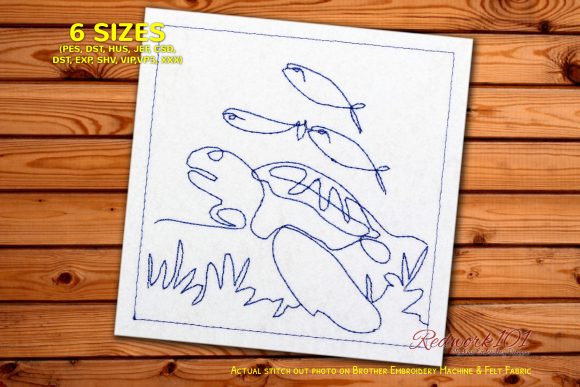
This piece falls squarely into the Reptiles category, yet it transcends the typical "cute animal" trope often found in mass-produced patterns. The layout suggests a fluid motion, capturing the essence of a sea turtle gliding through its natural habitat. For an embroiderer looking to create something unique, this embroidery design offers a sophisticated alternative to standard cartoonish motifs. It feels like a piece that could anchor a high-end boutique collection or serve as a thoughtful, personalized gift for a marine enthusiast.
Bringing the Design to Life: A Real Project Scenario
To truly understand the potential of Turtle in Ocean Water, imagine you are preparing for a busy season at your local craft fair or launching a new line on Etsy. You have decided to create a custom embroidered tote bag for a coastal-themed pop-up shop. The fabric is a sturdy canvas, perhaps in a deep navy blue to mimic the ocean depths. You pull up the file for Turtle in Ocean Water and place it on the center of the bag.
Here is where the practical judgment comes in. Unlike a simple outline, this design likely relies on a mix of fill stitches to create the texture of the shell and satin stitches for the smooth flow of the water. When stitched onto the canvas, the contrast between the thread colors and the dark background would be striking. However, if you were to attempt this same design on a thin, stretchy jersey t-shirt without proper stabilization, the tension might cause the water elements to pucker, ruining the illusion of movement. This highlights why understanding the intended application is crucial before hitting the start button.
I also considered using this design for a baby item, such as a bib or a onesie. The theme is gentle and nature-focused, which appeals to parents looking for non-toxic, organic, and calming aesthetics. In this context, Turtle in Ocean Water becomes more than just a decoration; it becomes a statement of values. The design works beautifully here because it avoids clutter. A clean, focused motif allows the quality of the stitching to shine, which is exactly what customers expect when they pay a premium for a handmade product.
Where This Design Shines in Commercial Settings
For small business owners and creative entrepreneurs, the versatility of a design like this can determine the success of a product line. Turtle in Ocean Water fits seamlessly into several high-demand categories:
- Custom Apparel: Whether it is a sweatshirt for a family vacation or a polo shirt for a dive shop, the design conveys professionalism and style.
- Kitchen Textiles: Imagine this embroidered on a tea towel or an apron for a chef who loves the ocean. The nautical theme pairs well with kitchen decor, adding a touch of whimsy to functional items.
- Holiday Gifts: During the summer months or for beach-themed holidays, this design serves as a perfect centerpiece for gifts. It moves beyond generic holiday tropes and offers a seasonal connection that resonates with buyers.
- Embroidered Patches: If you are creating patches for jackets or backpacks, the clear lines of the turtle make it an excellent candidate. Just ensure the backing is robust enough to handle the wear and tear of daily use.
The visual appeal of the finished product directly impacts customer trust. When a buyer sees a crisp, well-executed embroidery project on a product listing, they assume the seller cares about quality. Turtle in Ocean Water supports this perception because its organic shapes suggest a higher level of craftsmanship compared to blocky, geometric designs.
Navigating Technical Challenges and Limitations
No design is without its challenges, and being transparent about these limitations is part of being a responsible designer. While Turtle in Ocean Water is versatile, there are specific scenarios where caution is required. If you are working with a small hoop size, you must verify that the intricate details of the water ripples do not get lost or become muddy upon stitching. Small details often require a larger hoop to maintain clarity.
Fabric choice is another critical factor. Textured fabrics, such as bouclé or heavy denim, can obscure the finer lines of the design. Similarly, thin fabrics may not support the density of the stitches needed to render the turtle's shell effectively. If you attempt to stitch this on a dark fabric without a stabilizer or a light thread color, the design might lack the necessary definition. Always test your thread colors against the fabric background to ensure visibility.
Curved surfaces, like caps or hats, present their own set of difficulties. The curvature can distort the perspective of the turtle, making it look flattened or stretched. For curved surfaces, it is often best to use a specialized cap frame and to adjust the design placement carefully. Additionally, if the design includes dense stitch areas, frequent washing could lead to premature wear or fraying if the thread quality is not up to par. For products that need to withstand heavy use, consider reinforcing the design or selecting a more durable fabric base.
Essential Notes for the Embroidery Designer
Before integrating Turtle in Ocean Water into your workflow, there are several practical steps every designer should take. First and foremost, always test the design on scrap fabric. This simple step can save hours of frustration and wasted materials. Check the stitch density to ensure the fabric doesn't pucker and that the threads lay flat. Review the file to see if it requires a specific type of stabilizer, such as cut-away or tear-away, depending on the fabric type.
It is also wise to inspect the design in black and white mockups. Sometimes, a design looks vibrant in color but lacks contrast when converted to grayscale. This helps you anticipate how the final product will appear in different lighting conditions. Furthermore, compare how the design performs on both light and dark backgrounds to determine if you need to adjust the thread palette for optimal results.
Licensing is a non-negotiable aspect of commercial work. Before selling finished items or offering the design as a digital asset, confirm the licensing terms provided by the creator. Ensure that the embroidery file allows for commercial use if you plan to sell the products on platforms like Etsy or at craft fairs. The description notes that the stitch box shown in the picture is optional, which gives you flexibility, but you must verify if the outer box color is customizable or if it is a fixed element of the design itself.
Finally, remember that the success of your finished product relies on the consistency of your branding. Using a cohesive design like Turtle in Ocean Water across your entire product line can help establish a recognizable identity. Whether you are creating a tote bag design or a sweatshirt embroidery piece, maintaining a high standard of execution ensures that your customers return for more.
In conclusion, Turtle in Ocean Water is a compelling addition to any designer's library. It balances artistic expression with technical feasibility, making it suitable for a wide range of applications from nursery decor to boutique branding. By approaching the design with careful planning and attention to detail, you can transform a digital file into a tangible piece of art that delights customers and elevates your brand.